He was born in Possagno, in the Veneto, the son of a stonemason and the grandson of another. His father died before he was four and his grandfather raised him in the workshop. He was carving marble before he was ten.
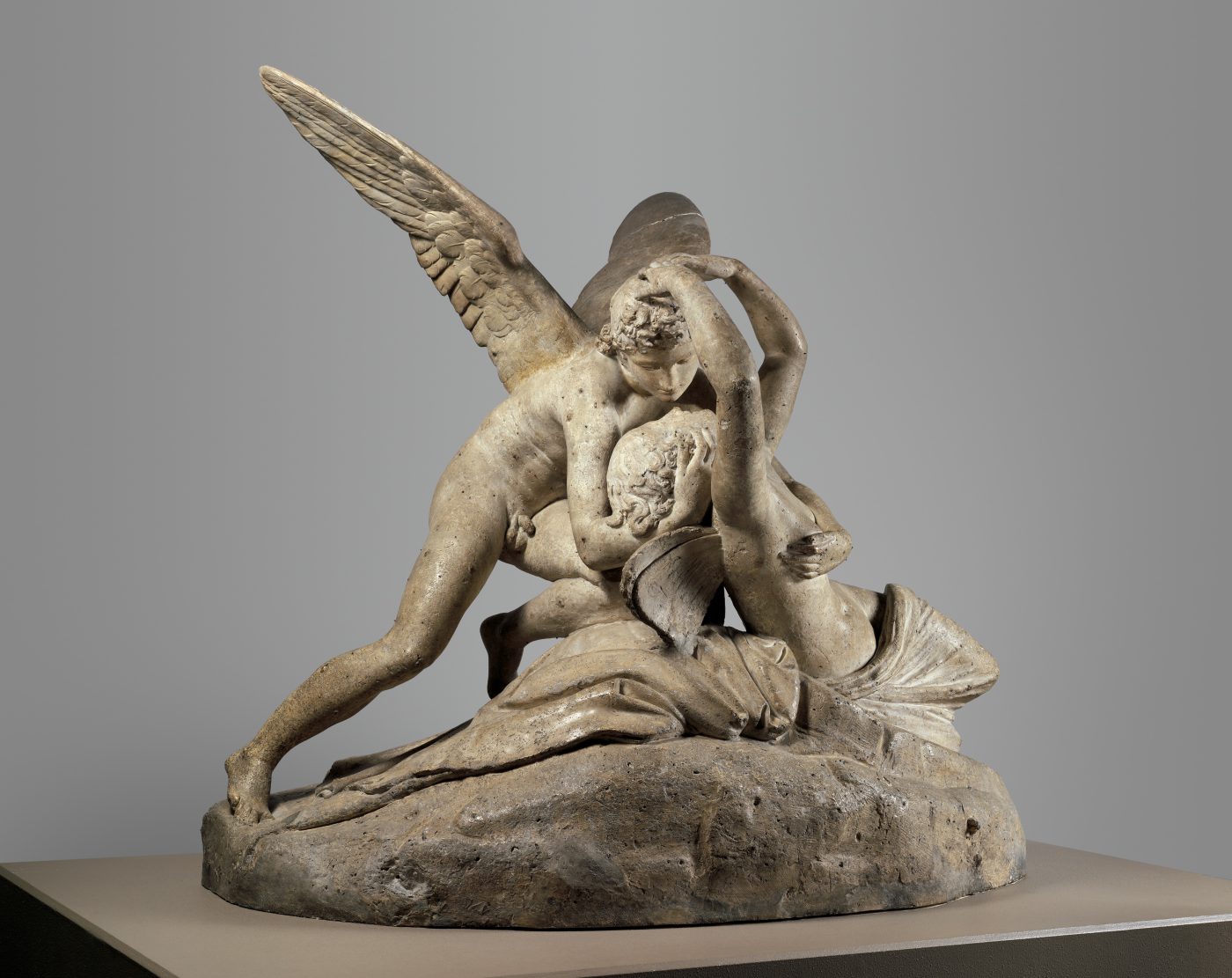
By his thirties he was the most sought-after sculptor in Europe. Psyche Revived by Cupid's Kiss was finished in 1793; The Three Graces, commissioned by the 6th Duke of Bedford, between 1814 and 1817. That version is now owned jointly by the Victoria and Albert Museum and the National Galleries of Scotland, and shown in turn at each. In 1815 the Pope sent him to Paris to recover the art Napoleon had taken from Italy.
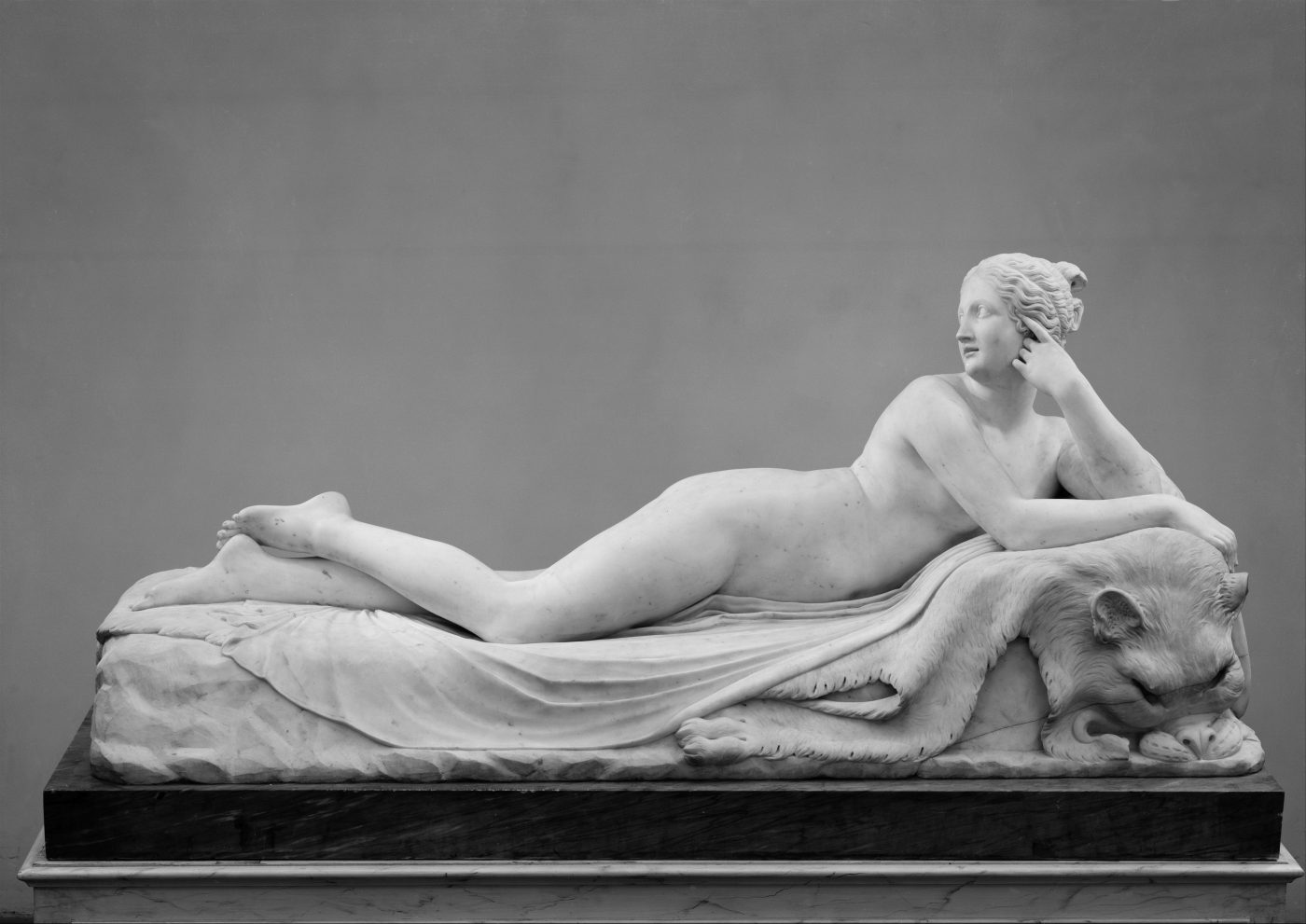
What sets his work apart is not the composition. It is the surface. Canova finished his marble by candlelight, moving the flame across the stone so he could read the transitions the way they would be seen. He then rubbed the surface with pumice — for weeks, sometimes months — and applied a patina to warm the flesh tone. Visitors described skin rather than stone. He spent longer on the finish than most sculptors spent on the whole figure.
That is the part we took. Removing a lesion is straightforward; a great many people can do it. What separates one result from another is everything that comes after the obvious work is done — how the wound is closed, how the edges are brought together, how the scar is planned before the first incision. It is the least visible part of the job and the only part the patient lives with.
We are not claiming his lineage. We took his name as a standard to be held to.
He spent months on a surface most people would already have called finished.
On Canova's method